
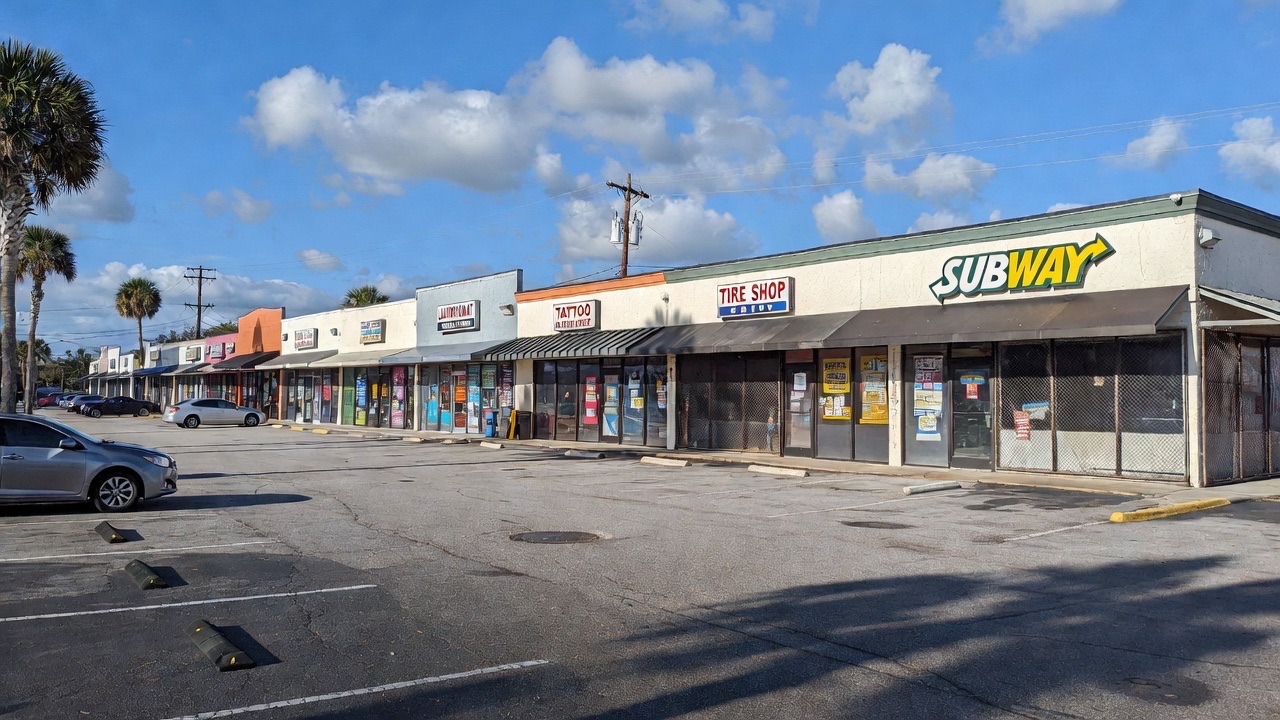
Navigating the complexities of commercial property inspections in Miami is crucial for every property owner, investor, and property manager. As they face diverse challenges from varying building codes to the unique subtropical climate, understanding what a comprehensive inspection entails becomes imperative. This article provides an in-depth guide detailing the essential aspects of commercial property inspections, focusing on the specific requirements that Miami property owners must know. Additionally, engaging with experienced professionals can ensure inspections are thorough, complying with local regulations and protecting your investment. This guide covers the inspection process, key considerations, regulatory requirements, and best practices for maintaining property standards to help you make informed decisions.
Inspection Process
The inspection process for commercial properties involves several essential steps to ensure thorough evaluations. Initially, it begins with an initial consultation, where property owners discuss their concerns and expectations with inspectors. This step is crucial for establishing a comprehensive understanding of the property and identifying any potential areas requiring special attention.
After the consultation, the inspection is scheduled at a time that works for both the inspector and the property owner. Once on-site, the inspector conducts a detailed evaluation, which includes assessing the building’s structure, mechanical systems, and safety compliance. Upon completion, a detailed inspection report is provided, summarizing findings and recommendations for necessary repairs or maintenance. This structured process not only helps identify problems before they escalate but also aids in maintaining the property's value over time.
Key Considerations
When it comes to commercial property inspections in Miami, several unique factors must be considered.
- Impact of Miami’s Climate: The subtropical climate can affect building materials and systems, necessitating regular checks for water damage and mold, which are prevalent concerns in humid environments.
- Diverse Property Types: The variety of property types, from retail spaces to warehouses, means that inspections must be tailored specifically to address unique architectural and operational considerations.
- Local Regulatory Compliance: Knowledge of local regulatory requirements is essential for ensuring that the property meets Miami’s building codes, which can differ significantly from other regions.
Understanding these key considerations is crucial for optimizing the inspection process and ensuring compliance with local standards.
Regulatory Requirements
Miami's regulatory landscape dictates specific requirements that all commercial properties must comply with. These regulations are designed to ensure safety, compliance, and structural integrity.
- Building Code Compliance: Properties must adhere to Miami's building codes, which outline standards for construction, fire safety, and accessibility requirements.
- Insurance Requirements: Older properties may have additional insurance requirements, especially if they are not updated to meet current codes, reflecting the necessary adaptations for safety and legal compliance.
- Inspection Frequency: Regular inspections may be mandated depending on the property type, ensuring that any maintenance issues are promptly addressed to avoid severe repercussions.
Being aware of these regulations helps property owners maintain their properties in line with local laws, thus avoiding costly penalties.
Best Practices for Maintaining Property Standards
Maintaining high property standards requires proactive measures and regular inspections. Here are some best practices:
- Regular Property Inspections: Schedule inspections at least annually to identify issues early and mitigate any potential risks.
- Prompt Repair Actions: Addressing repairs immediately can prevent more significant, costlier issues from developing, protecting your investment.
- Documentation Importance: Keeping thorough records of all inspections and maintenance activities provides a solid history that can be beneficial during future transactions or inspections.
Implementing these practices ensures that commercial properties remain in optimal condition, enhancing both safety and value.
After establishing these best practices, engaging professionals who specialize in property inspection services can further support property owners in Miami. TruView Inspections specializes in commercial inspections, ensuring that properties are in compliance with necessary regulations and maintaining high standards.
TruView Inspections stands out by delivering same-day HD inspection reports featuring 360-degree images and utilizing advanced thermal imaging technology to uncover hidden defects. This thorough and technologically advanced approach helps property owners detect issues early and maintain the highest property standards. To schedule your commercial property inspection in Miami, call the Miami-Dade local number at (305) 908-3835 and secure your investment with professional expertise.
What Does a Comprehensive Commercial Property Inspection in Miami Include?
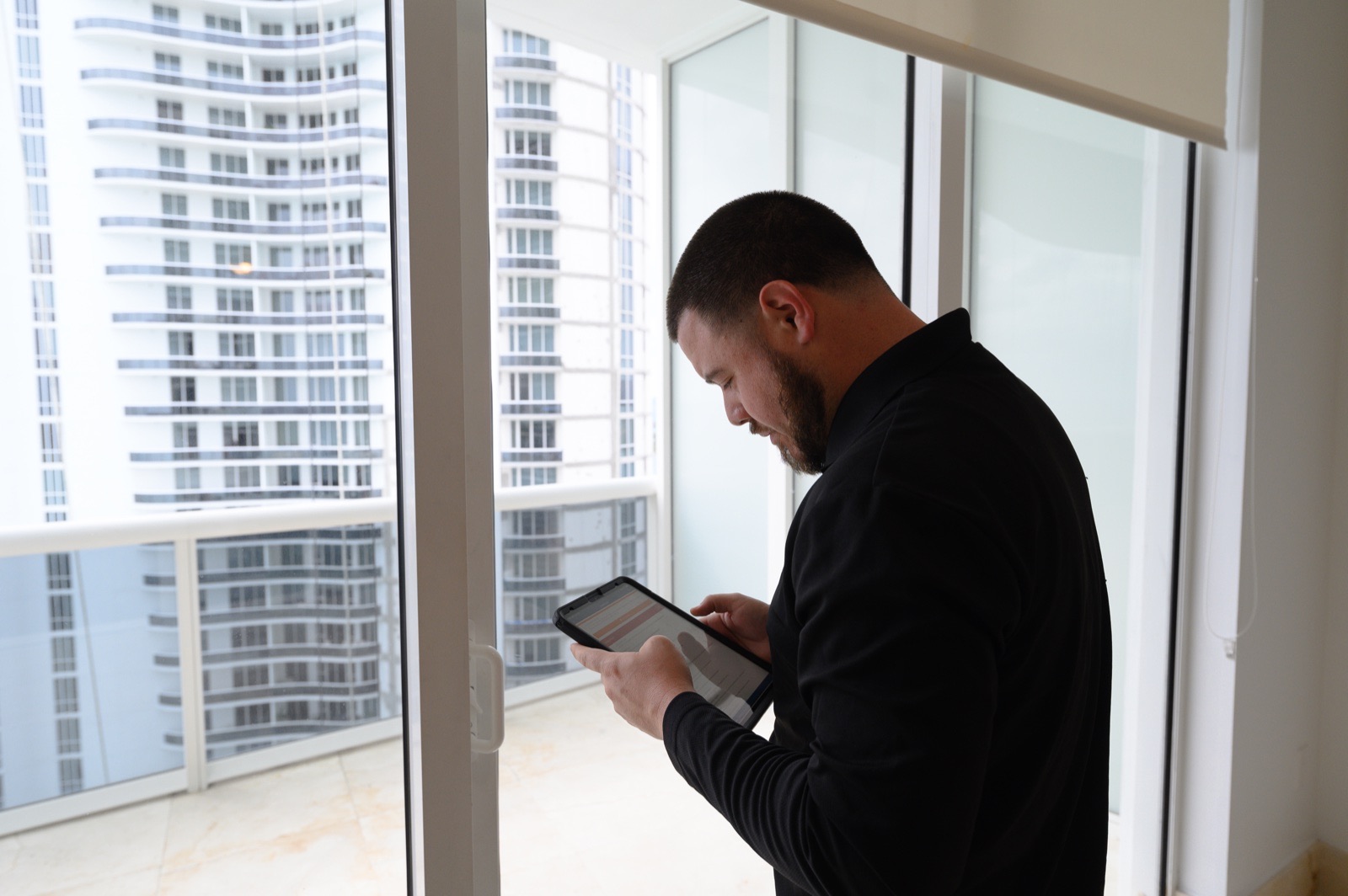
A thorough commercial property inspection encompasses various components crucial to understanding the property's condition. Here are the typical elements included:
- Structural and Mechanical Evaluations: Inspectors assess the integrity of the building's structure, including the foundation, walls, and roofing systems. Mechanical systems such as HVAC are also evaluated for functionality and compliance with standards.
- Safety Compliance Checks: Ensuring safety measures, like fire exits and alarm systems, are operational is essential for protecting occupants and meeting regulations.
- Detailed Reporting Features: Inspectors provide detailed reports that include findings, photographs, and recommendations, enabling property owners to make informed decisions on repairs or further evaluations.
Understanding these components emphasizes the need for thorough inspections and hiring qualified professionals.
How Does Local Miami Building Code Influence Inspection Criteria?
Local Miami building codes significantly influence the criteria used during inspections. These codes define specific requirements that ensure the safety and integrity of buildings within the area.
- Required Compliance Aspects: These include structural integrity, fire safety measures, and energy efficiency standards that inspectors must verify during assessments.
- Variations per Property Type: Different property types may face varying codes; for example, commercial retail spaces must meet different requirements than industrial warehouses due to their respective usage and occupancy.
- Key Code Provisions: Inspectors need to stay updated on Miami's evolving codes to ensure that properties comply with the latest regulations, driving the need for diligent inspections.
Awareness of how local building codes impact inspection helps property owners prepare adequately and align their operations with current requirements.
What Are the Key Benefits of Scheduling a Commercial Property Inspection?
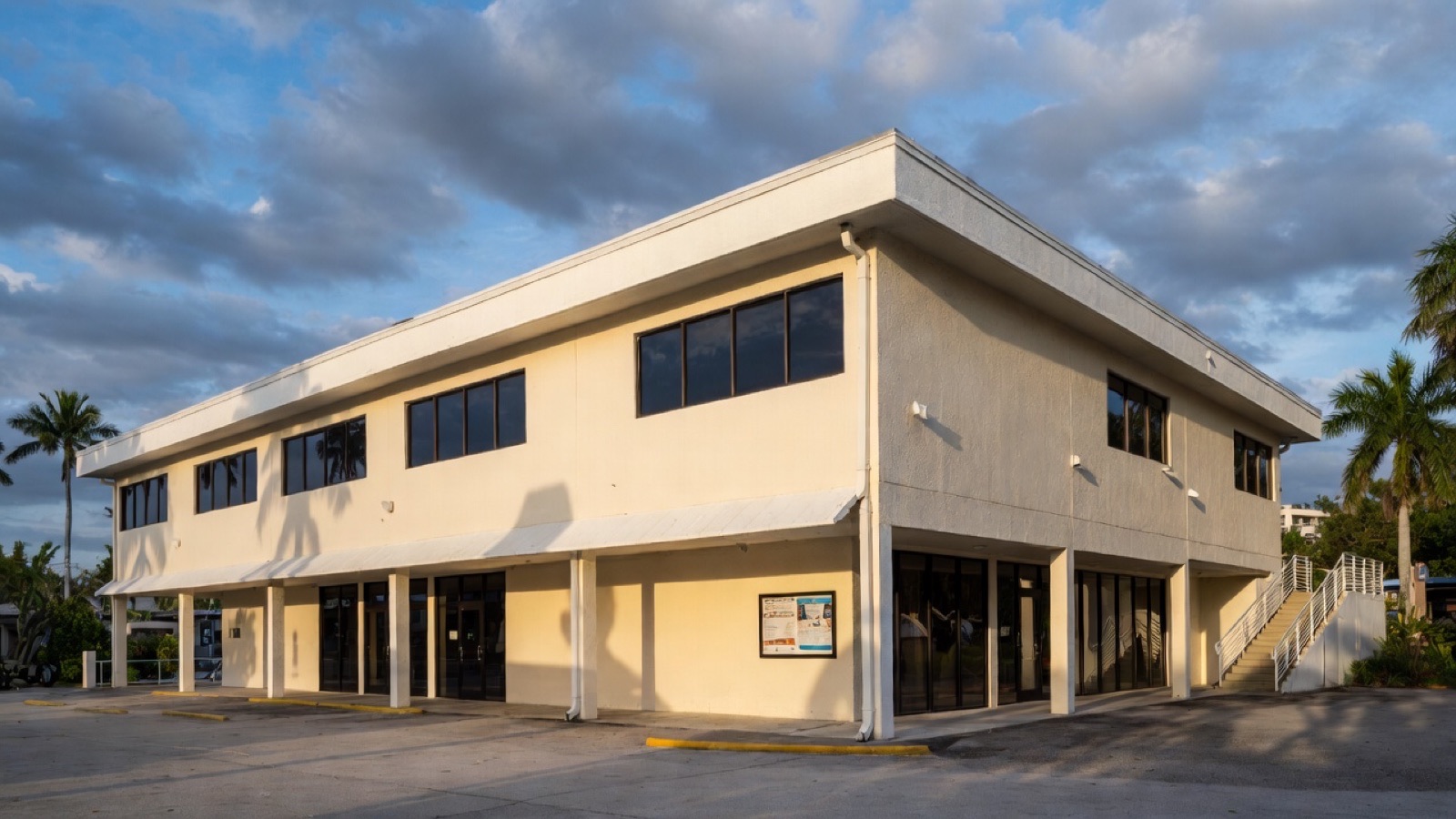
Scheduling a commercial property inspection provides several substantial benefits for property owners, including:
- Risk Reduction: Regular inspections help identify potential hazards early, reducing the risk of costly emergency repairs and liabilities.
- Value Enhancement: Properties that are well-maintained typically attract higher offers from buyers and tenants, enhancing overall investment value.
- Regulatory Compliance: Keeping up with inspections helps ensure the property meets regulatory standards, avoiding fines and legal repercussions.
These benefits underscore the critical importance of scheduled inspections for commercial property management.
What Risks Does a Building Condition Assessment Identify?
Building condition assessments play a vital role in identifying various risks, which include:
- Structural Integrity Issues: Inspections reveal defects in the building's structure that could lead to severe safety compromises if neglected.
- Mechanical System Failures: Evaluating heating, cooling, and electrical systems helps catch potential failures before they escalate into major problems.
- Mold and Air Quality Concerns: Ongoing inspections identify mold growth and air quality issues early, safeguarding the health of tenants and staff.
Addressing these risks identifies potential problems early, allowing property owners to implement corrective measures effectively.
How Should Owners Prepare for Their Commercial Property Inspection in Miami?
Preparation for a commercial property inspection ensures a smooth process and optimal results.
- Document Gathering: Property owners should compile relevant documentation, including previous inspection reports, maintenance records, and compliance certificates, for the inspector’s review.
- Recommended Maintenance Checks: Conducting preliminary checks on key systems, such as plumbing and electrical, can help address easily identifiable concerns beforehand.
- Inspection Scheduling: Owners should strategically schedule inspections during times when the property can be fully accessible to the inspectors for comprehensive assessments.
Preparing effectively can lead to a more fruitful inspection experience and ensure that all aspects are appropriately assessed.
How to Coordinate with Inspectors and Stakeholders Before Inspection?
Effective coordination between property owners, inspectors, and stakeholders is necessary for successful inspections.
- Communication Channels with Inspectors: Establish clear communication on expectations, schedules, and concerns to ensure both parties are aligned throughout the process.
- Involving Stakeholders Effectively: Keeping stakeholders informed and involved can enhance transparency, helping to address any concerns they may have about the inspection or its findings.
Taking these steps ensures that everyone on board is adequately prepared for the inspection, facilitating a collaborative approach to property management.
Who Are the Trusted Experts for Commercial and Industrial Property Inspection in Miami?
For reliable property inspections, it's essential to consider established service providers. Trusted experts ensure a thorough, compliant evaluation, such as TruView Inspections, which specializes in commercial inspections across Miami. Engaging experienced professionals guarantees adherence to industry standards and local regulations, providing peace of mind for property owners.
What Credentials and Experience Define Qualified Commercial Inspectors?
Qualified commercial inspectors possess specific credentials and experience that ensure high-quality evaluations.
- Required Certifications: Look for inspectors with relevant certifications indicating they have undergone rigorous training in property inspections.
- Industry Experience Levels: Experience in conducting commercial inspections across various property types enhances an inspector's ability to detect and understand issues that may arise.
By focusing on these credentials and experience levels, property owners can select inspectors who are well-equipped to handle their inspection needs.