
Short answer: the biggest red flags in a South Florida home inspection are the ones that make a home hard to insure or costly to fix: water intrusion, an old or damaged roof, outdated electrical panels or wiring, termite damage, and unpermitted work. Florida insurers check the roof, electrical, plumbing and A/C on a 4-point inspection for homes 25 years or older, so problems in those systems can affect both your price and your policy.
Every inspection report lists dozens of items. Most are small repairs. The five below are the findings most likely to change a deal, so they are the ones to read first. The photos come from a full home inspection TruView completed in West Palm Beach in November 2026.
The 5 red flags at a glance
| Red flag | What to look for | Next step |
|---|---|---|
| 1. Water intrusion and mold | Stains, soft drywall, fresh paint on one wall | Mold testing |
| 2. Roof age and condition | Torn shingles, patchwork, no roof permit | Roof permit and roof check |
| 3. Electrical panels and wiring | FPE, Zinsco or Pushmatic panel, double taps | Licensed electrician |
| 4. Termites and other wood-destroying organisms | Damaged wood, mud tubes, droppings | Pest control company |
| 5. Unpermitted work | Additions or repairs with no permit | City or county permit records |
Water intrusion and mold
Can affect insuranceStains on ceilings and walls, soft drywall, one freshly painted wall, leaks at sliding glass doors, and staining on the roof deck in the attic.
Water usually means hidden damage, and in South Florida's heat and humidity it can quickly lead to mold and insurance trouble.
Ask your inspector to walk you through every moisture finding in the report. Only mold testing can confirm whether a growth is mold and how far it has spread.
Roof age and condition
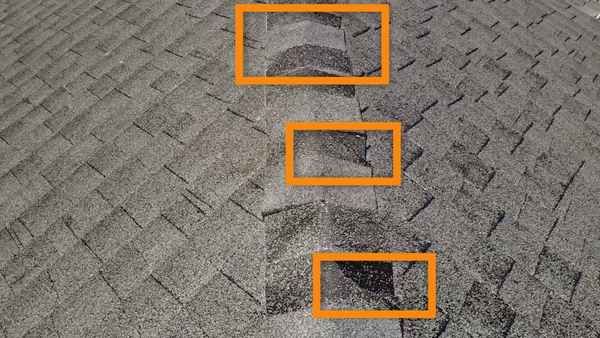
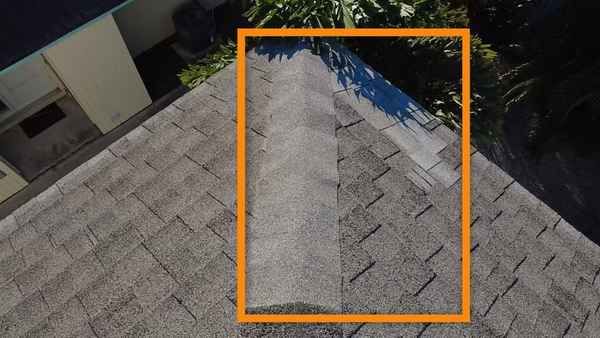
Checked on the 4-pointTorn or split shingles, patchwork, damaged flashing, and no roof permit on record.
Florida insurers look at roof age first. Under Florida Statute 627.7011(5), an insurer may not refuse a policy solely because the roof is less than 15 years old, and for an older roof not solely because of its age if an authorized inspector finds 5 or more years of useful life left. With no permit on record, the roof's age cannot be confirmed.
Ask the seller for the roof permit or check with the city or county, and have the roof looked at closely. Our roof inspection page covers the rest of Florida's roof rules.
Electrical panels and wiring
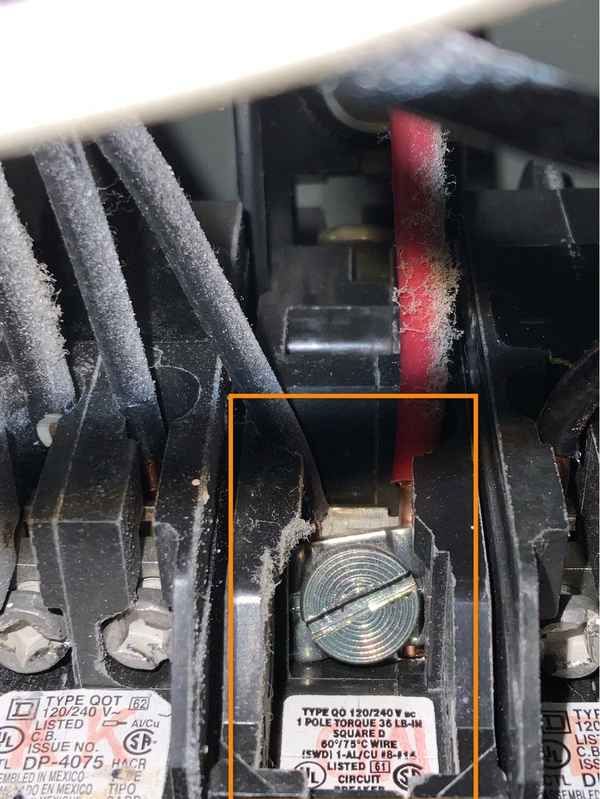
Checked on the 4-pointFederal Pacific (Stab-Lok), Zinsco or Pushmatic panels, knob-and-tube or aluminum wiring, double-tapped breakers, and an open neutral.
Most insurance carriers flag those panel brands as fire hazards, and an open neutral can cause shocks or fire.
Have a licensed electrician evaluate any of these before closing, and get a repair quote while you can still negotiate.
Termites and other wood-destroying organisms
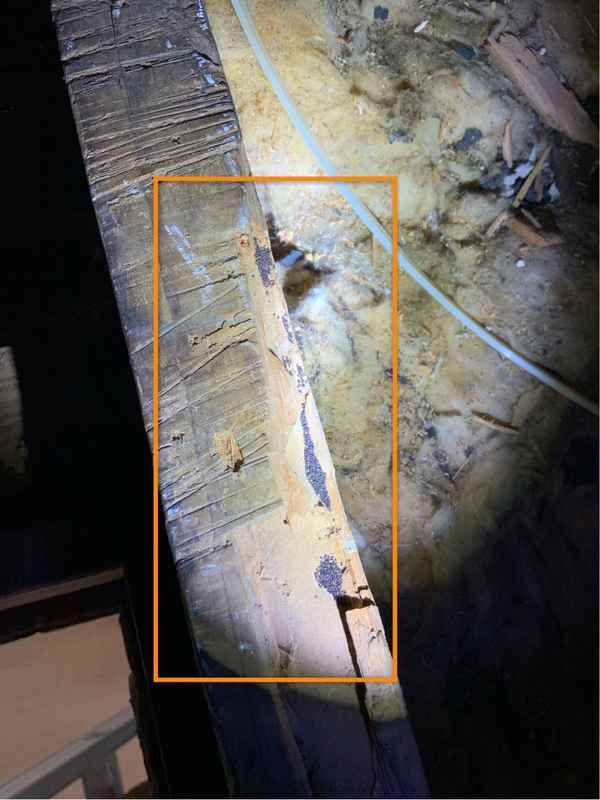
Hidden damageDamaged or hollow-sounding wood, droppings, mud tubes, and damage on attic framing.
Termites are common in Florida, and the damage is often hidden inside walls and framing.
A home inspection includes a visual check of the areas that are readily accessible. Florida law does not let home inspectors probe wood or open walls, so if there is evidence, have a pest control company inspect and treat.
Unpermitted work
Can affect insuranceAdditions, enclosed patios, re-roofs or repairs with no permit on record, and patchwork that does not match the rest of the house.
Unpermitted work may not meet code, can be hard to insure, and may not appear in the seller's disclosure.
Check the permit history with the city or county, and ask the seller for permits for any major work.
Also worth a look
Polybutylene supply lines and cast iron drain lines cause many water damage claims. A sewer line camera inspection shows what is inside cast iron drains.
Most systems last 12 to 15 years, so an older unit is a cost to plan for.
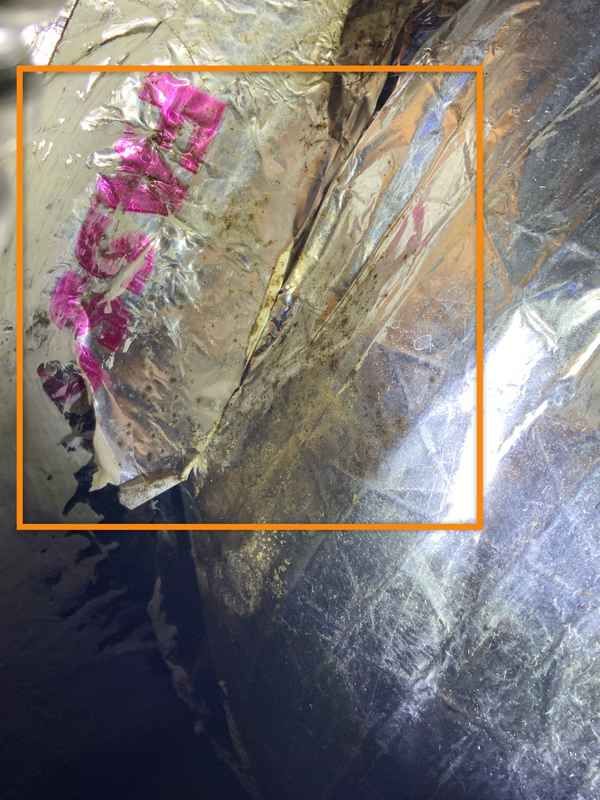
In a 1968 townhouse we inspected in West Palm Beach in November 2026, we found four of these five: roof damage with no roof permit on record, termite evidence in the attic, electrical problems, and possible mold on the A/C ducts.
See the West Palm Beach inspectionFrequently asked questions
What is the biggest red flag in a home inspection?
The biggest red flags are the ones that make a home hard to insure or costly to fix: water intrusion, an old or damaged roof, outdated electrical panels or wiring, termite damage, and unpermitted work. In South Florida, water and the roof come first, because they lead to hidden damage, mold and insurance problems.
Do home inspectors check for termites in Florida?
A home inspection includes a visual check for wood-destroying organisms such as termites in the areas that are readily accessible. Florida law does not let home inspectors probe wood, move insulation or open walls, so if there is evidence, have a pest control company inspect and treat.
Can a home inspection red flag affect my homeowners insurance?
Yes. Florida insurers require a 4-point inspection of the roof, electrical, plumbing and A/C on homes 25 years or older before writing a new policy. Most carriers flag Federal Pacific, Zinsco and Pushmatic panels as fire hazards, and roof age is the first thing they look at.
How can I find out if work on a house was permitted?
Check the permit history with the city or county building department, and ask the seller for permits for any major work such as a re-roof, an addition or an enclosed patio. If there is no permit on record for the roof, its age cannot be confirmed.
Book a home inspection in South Florida
TruView inspects homes across Miami-Dade, Broward and Palm Beach, with photos of every finding in the report and a free 4-point and wind mitigation report with every full home inspection. See what a TruView home inspection covers, or call Miami-Dade (305) 908-3835, Broward (954) 406-0096 or Palm Beach (561) 515-0113.